
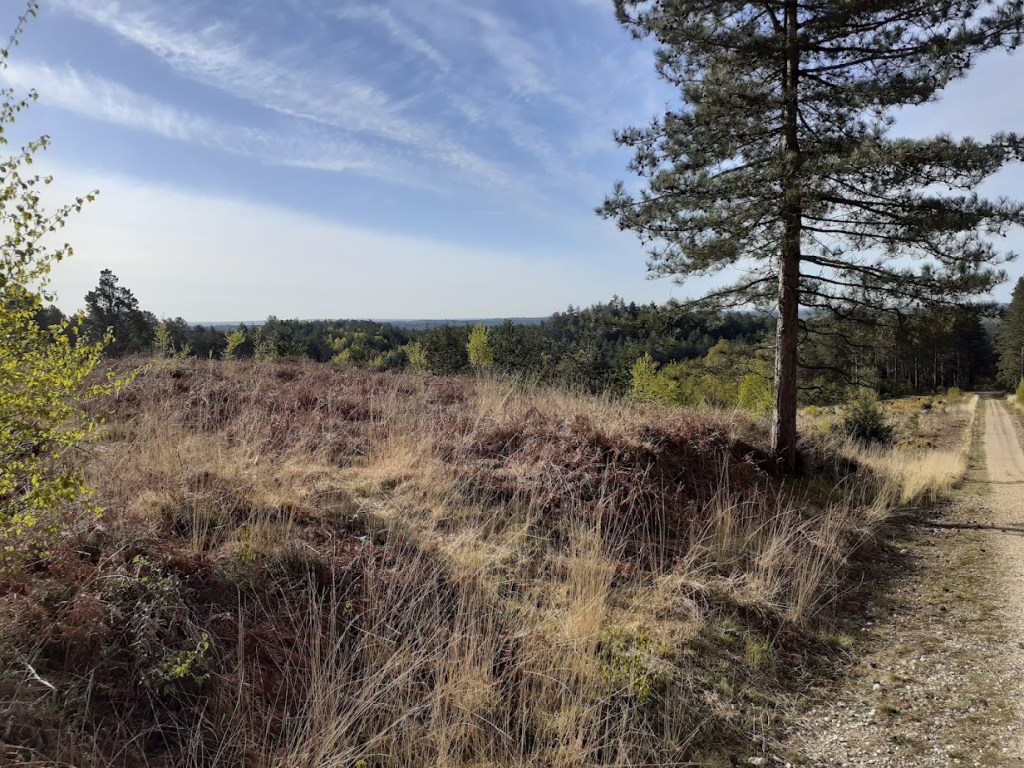
Based in Dorset, we’re a surrounded by heathland and forest, a short hop to the New Forest and Cranborne Chase AONB. There’s huge variability in the soil here, from alkaline chalk to acidic heath, and heavy clay to free draining sands.
The use of the land changes hugely based on the geology and topography of the land creating beautiful and varied habitats for wildlife and plants.
This is inspired us at Wild Places to respect the places we garden, and work with the site to produce glorious gardens that tread lightly.
Read some of Helen’s tips for sustainable garden design in Muddy Stilettos here! https://dorsetsomerset.muddystilettos.co.uk/home/gardening-home/sustainable-garden-dorset-somerset/
Plants for places
When garden plants are growing in the conditions similar to those in nature, they’ll do well with little help. Happy plants thrive without gallons of watering, expensive fertilisers, and fussing from the gardener.
So, it’s cheaper and less maintenance to pick carefully! At Wild Places, we will chose the plants that work well in your plot, that suit the aesthetic or feel of the garden, which saves a lot of time and money in care.
It’s getting hot in here….
It’s warming up, and rain is less predictable – the climate is changing. We all have our part to play but gardeners can make a huge difference. Keeping water usage to a minimum is a simple way to lighten our burden on the planet, so embracing a few of the techniques below will help conserve this precious resource:
- drought tolerant planting can be beautiful and surprisingly diverse in form and colour. Mediterranean planting comes from more that just the Med – try exploring plants from South Africa, Australia, Chile, and the Canaries
- organic material like compost, bark chippings, and manure all help retain moisture. Picking the right enrichment for your soil and planting scheme can act as a sump on dry days
- top dressing beds helps reduce evaporation – and can enhance the design too. Stone, bark, and groundcover planting will all help
- pots and handing baskets are lovely, but the smaller the container, the greater the surface area to volume ratio, so the faster it will dry out. Use the largest pots you can, grouped together to help slow water loss down.
- water butts, rain collection tubs, even leaving a bucket out on a rainy day can all help collect free water for a drier spell
All creatures big and small
We’ve all heard of the importance of bees in supporting our food chain, and that we need to create green corridors for birds and pollinators to cross our towns and cities.
A nature-friendly garden doesn’t have to look like a wilderness (unless that’s your thing, which we’re loving). Introducing habitats can be done subtly to encourage beasties and will bring huge benefits to you and your garden:
- a balanced eco-system of prey and predator species will balance itself, reducing need for pesticides
- leaving winter cover for insects in your borders by holding back on the late Autumn tidy up will save lots of work, and frosty seed heads provide food sources and look beautiful
- planting for continuity of flowers throughout the year supports a range of pollinators and will enhance your garden
- water features (however small) increase our enjoyment of the garden, and will quickly be colonised by a wide range of animals. If frogs and hedgehogs move in, slugs and snails will magically start to disappear…..
Peat and compost
At Wild Places, we won’t use bulk peat-based compost in our designs. There are some great alternatives available locally, that perform just as well. We’ll always encourage our clients to make space for a small compost bin if at all possible and can provide support with getting your compost bin going. Homemade compost is free, easy, and helps save water, fuel, and plastic. What’s not to like?
We’re also looking to support more suppliers that grow plants in a peat-free way. If you know a great grower or nursery that grows with reduced/no plastic and peat-free, please give us a shout, we’d love to hear from you!
To find out more about the impact of peat use in the horticulture industry, read more here: https://www.wildlifetrusts.org/news/devastating-using-peat-uk-horticulture
Reuse and recycling
Hard landscaping materials like natural stones and gravels are quarried all over the world. Manmade materials generate significant CO2 emissions in their production, so at Wild Places we’ll explore a range of finishes and recycled options with you.
- can your patio be renewed? Can the slabs be lifted and repurposed elsewhere? Often, a good scrub and repointing will bring a well placed seating area back to life
- we love recycled gravel reclaimed from the building trade – it can be used as bed dressing. It’s cheaper than freshly quarried
- occasional parking areas and parking pads lend themselves to chippings and gravels with through planting. Permeable surfaces really help with local drainage, and surface run off in heavy rain
Fantastic plastic
Plastics need fossil fuels to make, huge amounts of energy to recycle, and are in many cases not currently recycled at all. We’re always keen to explore plastic free options, like weed membrane, alternative plant pot materials, locally grown plants, bare root options and plant swap schemes.
We never design using artificial grass and fully support the #saynotoplasticgrassandplants initiative. Read more at https://www.sgd.org.uk/news/say_no_to_plastic_grass_plants.aspx
Watch this space for news of our Green Gardens scheme coming to East Dorset soon.
 wildplacesgardens.co.uk